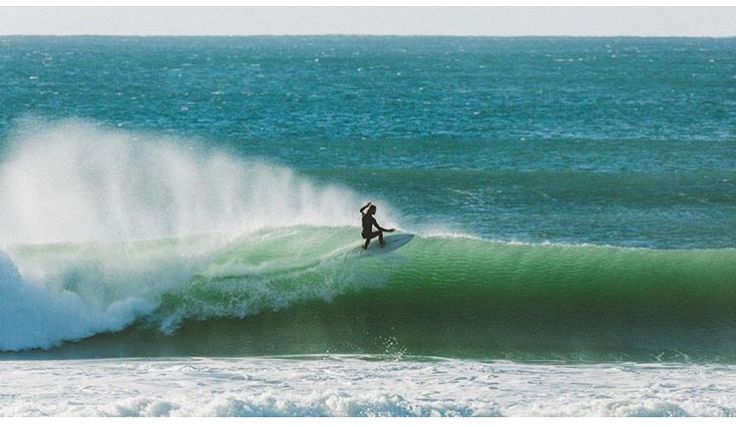
How to Read the Surf Forecast for Essaouira & Sidi Kaouki (Windguru Explained Simply)
Every morning before sunrise, we open the forecast with our first coffee. Here's exactly how we read it for Essaouira and Sidi Kaouki — so you can understand what your session will look like before you even see the ocean.
The three numbers that matter
Swell height tells you how big the waves are out at sea — but not on the beach. At Sidi Kaouki, 1–1.5m of swell usually means perfect learning waves; 2m+ means we pick sheltered corners for beginners.
Swell period is the secret most beginners miss. It's the seconds between waves. Under 8 seconds = weak, messy windswell. 10–14 seconds = organised, powerful lines that break cleanly. A small swell with a long period often beats a big swell with a short one.
Wind decides everything here. Morning offshore or light wind = clean faces. The afternoon alizé (the famous Essaouira trade wind) turns the ocean choppy for surfing — and perfect for kitesurfing. That's why our surf sessions run in the morning and the kites come out after lunch.
Reading Windguru for Sidi Kaouki
Look at the wave row (height + period) and the wind row together. Green/light wind numbers before noon plus 1–2m at 10+ seconds is a classic great morning. Don't panic at big red afternoon wind numbers — by then you'll be drinking mint tea or learning to kite.
Why local knowledge still beats the app
Forecasts describe the ocean; they don't know the sandbars. A bank that worked last month may have moved after one big swell. We surf this beach every single day, which is why a guided surf trip essaouira day often finds waves the forecast apps say don't exist. The forecast gets you 70% of the answer — the last 30% lives in local eyes.
Quick cheat sheet
1–1.5m @ 10s + morning light wind = beginner heaven. 2m @ 12s = intermediate playground. Anything with strong morning onshore wind = we drive to a protected spot. Want to see how we choose in real life? Check the month-by-month guide to surfing Essaouira for the seasonal patterns behind the daily numbers.
Sidi Kaouki vs Essaouira Beach: Your Surfing Questions Answered
Sidi Kaouki is generally better for surfing, with longer, cleaner, and more consistent waves thanks to direct Atlantic swells. Essaouira Beach is more sheltered, offering smaller waves that are ideal for beginners but often affected by wind.
Both spots are suitable for beginners, depending on conditions. Essaouira Beach is perfect for your first lesson with smaller, softer waves. Sidi Kaouki is also beginner-friendly, with a sandy bottom and multiple surf peaks that allow instructors to find the best waves for your level.
The best time for surfing is from September to April, when Atlantic swells are more consistent. During summer, Essaouira becomes very windy, which is great for kitesurfing but less ideal for surfing. Sidi Kaouki often still offers good surf conditions even when Essaouira is windy.
Most surfers choose to stay in Essaouira and surf in Sidi Kaouki. Essaouira offers more accommodation, restaurants, and cultural experiences, while Sidi Kaouki provides better and more consistent surf conditions. Many surf schools offer day trips between the two.