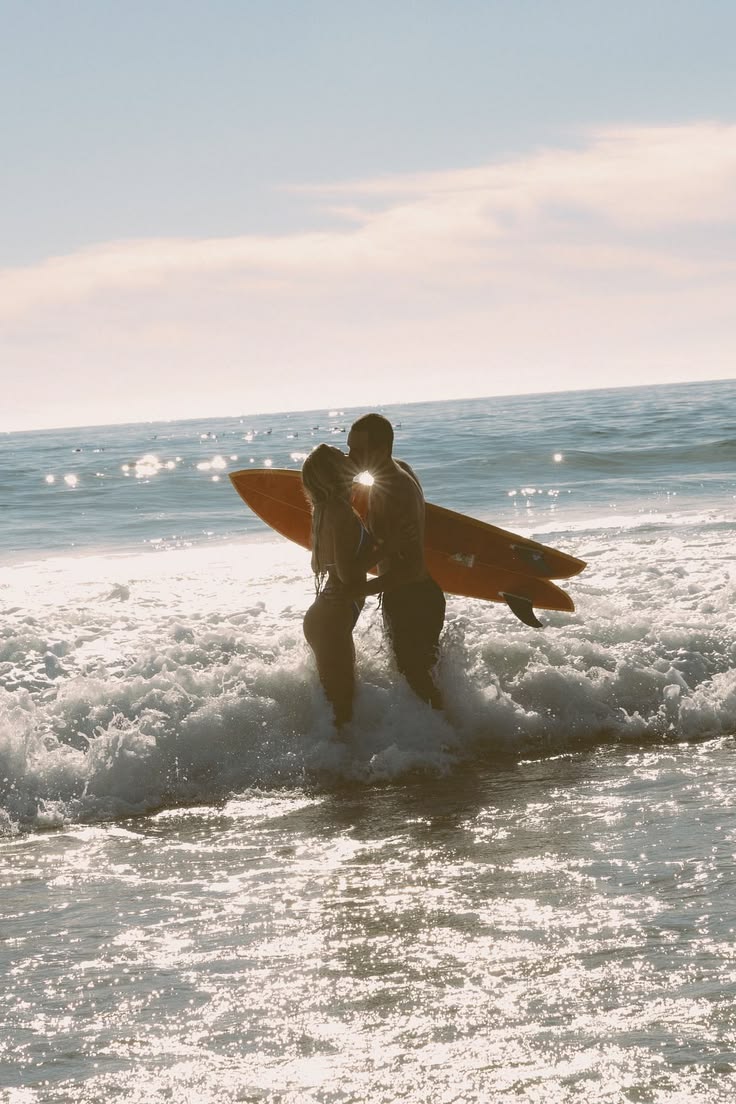
Surfing Essaouira in Summer — Wind, Crowds and Why Mornings Are Magic
Everyone knows Essaouira as "the Wind City of Africa" — so people assume summer surfing here is impossible. As locals who surf every single summer morning, let us correct the record.
The truth about the summer wind
The alizé trade wind is an afternoon phenomenon. From roughly 11am it builds; by 2pm it's howling and the kites own the bay. But dawn until mid-morning? Often glassy, clean, and warm-light beautiful. The wind that scares surfers away is exactly what keeps the summer lineups empty while Taghazout overflows.
What summer waves look like
Summer swells are smaller and friendlier — typically waist to chest high — which makes June to September genuinely the easiest season to learn. Water sits around 19–20°C (a light wetsuit, which we provide), air at a dry 24–27°C while Marrakech roasts at 40°C+. Half our summer guests are Marrakechis escaping the heat.
The perfect summer day, local style
7:30am: first session, clean small waves, nobody out. 11am: fresh orange juice and msemen at the village café. Afternoon: the wind arrives — switch to kitesurfing in Essaouira, nap under an argan tree, or hit the dunes. Sunset: grilled sardines. Repeat. This morning-surf, afternoon-wind rhythm is the whole reason our multi-sport weeks exist.
Crowds and booking reality
Summer is our busiest season for lessons but the ocean never feels crowded — eight kilometres of beach absorbs everyone. Do book a few days ahead for July–August lessons, and earlier for camps. For wave-hunting beyond the home beach, summer's small-swell days are ideal for a guided day trip to the coast's protected corners.
Summer vs winter, honestly
Winter brings bigger, more powerful swell for experienced surfers. Summer brings warmth, gentleness, and consistency for learners and families. Neither is "better" — they're different sports on the same beach. If your holiday is in August, don't hesitate: mornings here are a secret the wind keeps for us.
Sidi Kaouki vs Essaouira Beach: Your Surfing Questions Answered
Sidi Kaouki is generally better for surfing, with longer, cleaner, and more consistent waves thanks to direct Atlantic swells. Essaouira Beach is more sheltered, offering smaller waves that are ideal for beginners but often affected by wind.
Both spots are suitable for beginners, depending on conditions. Essaouira Beach is perfect for your first lesson with smaller, softer waves. Sidi Kaouki is also beginner-friendly, with a sandy bottom and multiple surf peaks that allow instructors to find the best waves for your level.
The best time for surfing is from September to April, when Atlantic swells are more consistent. During summer, Essaouira becomes very windy, which is great for kitesurfing but less ideal for surfing. Sidi Kaouki often still offers good surf conditions even when Essaouira is windy.
Most surfers choose to stay in Essaouira and surf in Sidi Kaouki. Essaouira offers more accommodation, restaurants, and cultural experiences, while Sidi Kaouki provides better and more consistent surf conditions. Many surf schools offer day trips between the two.